


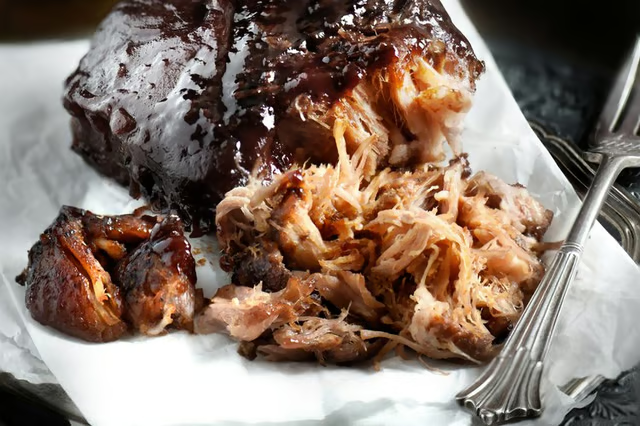
Boston butt is a large cut of meat, typically weighing 8 to 10 pounds on average, and requires long cooking time. Stable, even heat is crucial when cooking Boston butt. A cast-iron Dutch oven is perfect for the job.
Trimming and Seasoning
Fat is flavor, but Boston butt has so much intramuscular fat that the loose, hanging pieces of fat don't add much to the overall flavor and moisture. Trim these off.
Boston butt is super flavorful on its own and doesn't require a lot of spices; especially if you intend to shred the meat and slather it with barbecue sauce after it's cooked. Salt and pepper will do. Liberally season the Boston butt all over with kosher salt and, if desired, black pepper, 24 hours before cooking. Seasoning tough meat early helps break down the connective tissue, similar to brining, but without the water. Place the meat in a shallow dish and let it sit covered in the refrigerator until about 1 hour before you want to cook it.
Searing the Meat
Pork shoulder is best with that prized caramelized exterior. Let the meat sit at room temperature for about 1 hour. Then, heat vegetable oil in the Dutch oven on the stove over medium-high heat. Lay the pork shoulder in the Dutch oven and sear it to golden brown on all sides. It takes about 4 to 5 minutes of searing on each side to fully caramelized.
Adding Aromatics and Cooking Liquid
Including aromatics like carrots, onions and garlic is optional. If you plan to make a sauce with the pan drippings and remaining cooking liquid, you should add them.
Take the pork out of the Dutch oven after it sears and set it aside. Deglaze the Dutch oven with stock and scrape the bottom with a spatula to dislodge the flavorful bits of pork. Next, add chopped onions, carrots and garlic and sauté them until aromatic, about 5 minutes.
Return the pork to the Dutch oven and add enough liquid to cover 3/4 of the Boston butt. Water or stock both get the job done, but if you plan to make a sauce, use stock. Cover the Dutch oven.
Cooking the Boston Butt
You can finish the Boston butt over medium-low heat on the stove or in the oven at 250 degrees Fahrenheit, for 8 hours either way. (Both methods yield the same results.) Check the liquid and turn the meat over every 2 to 3 hours; add more liquid as needed to keep the meat covered halfway. When the meat pulls apart easily by hand, take it out of the Dutch oven and set it aside to cool to the touch. Shred the pork when it's cool enough to handle.
Making Sauce
Pan drippings and cooking liquid are premium sauce ingredients, superior to anything you could get at a supermarket. You could even just reduce the cooking liquid, skim off most of the fat and use that as the sauce.
To make a barbecue sauce with the pan drippings and cooking liquid, strain them through a sieve and into a saucepan. Discard the vegetables. Set the saucepan over medium heat and reduce the liquid to about 1 1/2 cups. Then, add about 1/4 cup tomato paste or ketchup for every 1 cup of liquid. Season the sauce to taste with Worcestershire sauce, apple cider vinegar and brown sugar or molasses. Simmer until the sauce coats the back of a spoon. Add kosher salt to taste.