
Unless you're facing a particularly unappetizing dinner, purposely losing your sense of taste is not advised. Taste is a survival mechanism that keeps you from harm. It is not isolated to your tongue. It also involves your sense of smell — together called the olfactory system. Most of what you think of as "taste" really happens in the nose. Humans have four basic tastes: sweet, salty, sour and bitter. Remember: Permanent loss of taste might affect your ability to detect dangerous natural gas leaks, fires and poor cooking.
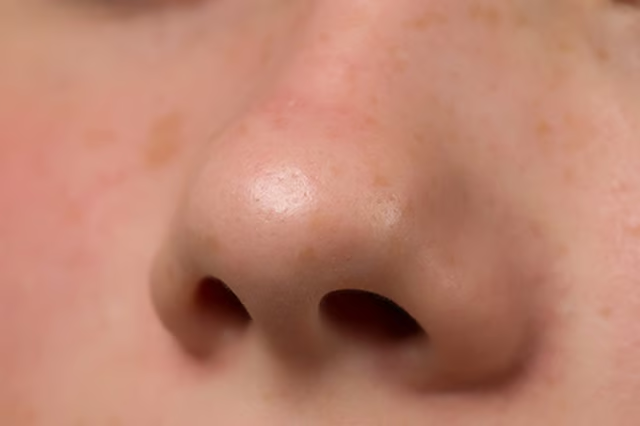
Hold your nose. Before you taste or eat something gently pinch your fingers on the fleshy part of your nose (breathe through your mouth). By blocking air that goes through your nose, you've blocked the transmission of chemical messages sent up to the nose by the taste buds. The taste buds, or papillae, aren't designed to totally "understand" the complexities of taste and must send the information they gather up to the nose. A specific nerve center in the the nasal lining, called the olfactory bulb, filters and then sends the refined taste messages to the brain. It is in the nose that you will discern tastes such as the fruitiness of a good wine or the musky taste of goat cheese.
Brush your teeth. Certain medications (Zicam) or toothpaste (Sensodyne) have been reported to dull or eliminate the sense of taste. Medications that contain high levels of zinc might be toxic to the olfactory system. Chemicals in the toothpaste, potassium nitrate, potassium chloride and fluoride neutralize the signals of pain from sensitive teeth. They may also interfere with the signals from the taste buds.
Get a cold. Virus infections, allergies, colds, flu or sinus infections block the part of the nose that discerns taste. These obstructions prevent air flow and the chemical messages of the tongue from reaching the olfactory bulb in the nose.
Related LeafTv Articles
Inhale smoke. Since identifying flavors in food is a combination of taste and smell, you'll need something that will destroy both. Smoking can damage the taste buds by causing tongue ulcers, and it also irritates the nasal lining (the skin on the inside of your nose). The double-edge sword of smoking impairs your ability to taste, not to mention your lungs.