


Oxalate – also known as oxalic acid – is an organic substance that occurs in many types of food. Oxalate is generally harmless, unless your body absorbs it more efficiently than normal. When dietary oxalate builds up in your kidneys, you’re more likely to have high urinary levels – a condition that increases your risk of developing calcium-oxalate kidney stones. While growing conditions and state of ripeness help determine a fruit’s oxalate levels, most varieties contain relatively low amounts.
Kiwifruit
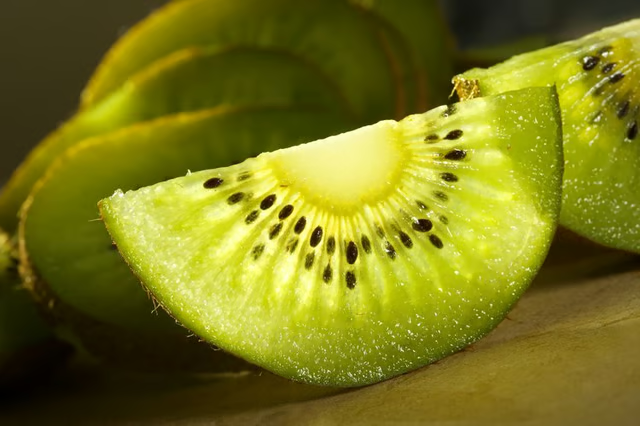
Although no food has a firm oxalate value, kiwi is generally considered a high-oxalate fruit. According to the Oxalosis and Hyperoxaluria Foundation, an average-sized kiwifruit typically has more than 25 – but less than 100 – milligrams of oxalate. Like many oxalate-rich foods, kiwi is an excellent source of several important nutrients, including vitamin C and potassium. Low-oxalate sources of vitamin C and potassium include cantaloupe, bananas and oranges.
Figs
Figs – both the fresh and dried varieties – are another oxalate-rich fruit. Although one medium-sized fresh or dried fig has less than 100 milligrams of oxalate, a typical serving of two to four figs can easily deliver more substantial amounts. Figs are also one of the best fruit sources of dietary fiber available, according to the book “Wellness Foods A to Z: An Indispensible Guide for Health-Conscious Food Lovers.”
Dried Apricots
With less than 10 milligrams per serving, fresh and canned apricots are low in oxalate. Just as dried apricots are a more concentrated source of nutrients and calories, however, they’re also significantly higher in oxalate – a single serving supplies somewhere between 25 and 100 milligrams of oxalate, according to the Oxalosis and Hyperoxaluria Foundation.
Berries
While it’s generally accepted that berries aren’t low-oxalate fruits, experts disagree as to whether they contain high or moderate amounts. Tufts Medical Center and the Oxalosis and Hyperoxaluria Foundation classify blueberries and blackberries as moderate-oxalate fruits, while the University of Pittsburgh Medical Center counts them as high in oxalate. According to the University of Wisconsin Hospital, strawberries are the only fruit known to actually increase oxalate concentration in the urine.
Rhubarb
Rhubarb – the vegetable that looks like pink-hued celery stalks – is considered a fruit in the United States because it’s commonly used in sweet sauces and pies. Rhubarb is higher in oxalate than most true fruits, which is why it tastes so tart. The plant’s leaves are even higher in oxalate – and highly poisonous, as well. According to “Wellness Foods A to Z,” experts aren’t sure whether this toxicity comes from high oxalate levels or some other substance.
Considerations
If you’ve been advised to consume a low-oxalate diet, ask your physician for a detailed food list. Some experts recommend avoiding foods that deliver more than 10 milligrams of oxalate per serving, while others caution against foods that contain more than 25 milligrams per serving. According to the University of Wisconsin Hospital, only about 20 percent of the people who suffer from calcium-oxalate kidney stones benefit from a low-oxalate diet.