
Potential of hydrogen, otherwise known as pH, measures the levels of acid and alkaline in a substance on a scale from 0 to 14. A high pH indicates higher alkaline content, and a low pH signals higher acidity.
Fruits and vegetables and pH
The majority of fruits and vegetables have high, moderate or low alkaline levels, while a few contain low levels of acid. All vegetables and fruits produce alkaline when they are natural and raw. When canned, processed or cooked, they tend to have higher acidity.
Alkaline fruits
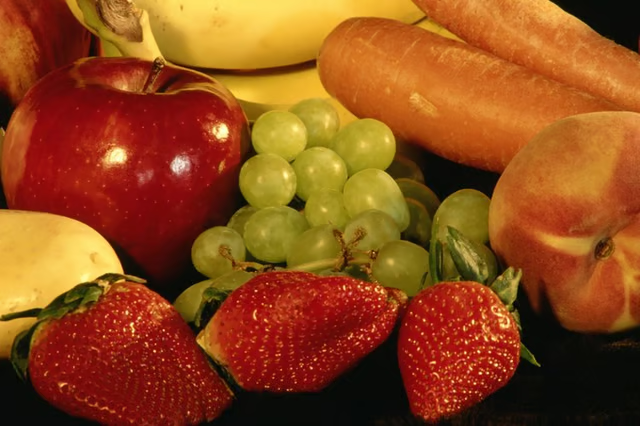
Most fruits fall into the low alkaline category, including oranges, peaches, mangoes, papayas, watermelons, grapes, melons, strawberries, apples, bananas, apricots and avocados. Cherries, limes, pineapples and raisins produce slightly higher alkaline levels.
Acidic fruits
Canned fruits are the only type of fruits that produce high levels of acid. Blueberries, cranberries, plums, bananas and processed fruit juices have low acidity.
Alkaline vegetables
Vegetables with high alkaline levels include parsley, spinach, broccoli, celery, garlic, barley and vegetable juices. Carrots, beets, green beans, Lima beans, lettuce and zucchini have moderate alkaline levels, while the majority of vegetables are low alkaline producers. These include squash, corn, rhubarb, cabbage, onion, peas, turnip, potato, soybean, cauliflower, asparagus and mushrooms.
Acidic vegetables
Pickled vegetables produce the highest levels of acid, while pinto and navy beans have moderate acidity. Sweet potatoes, cooked spinach and kidney beans have the lowest levels of acid.