
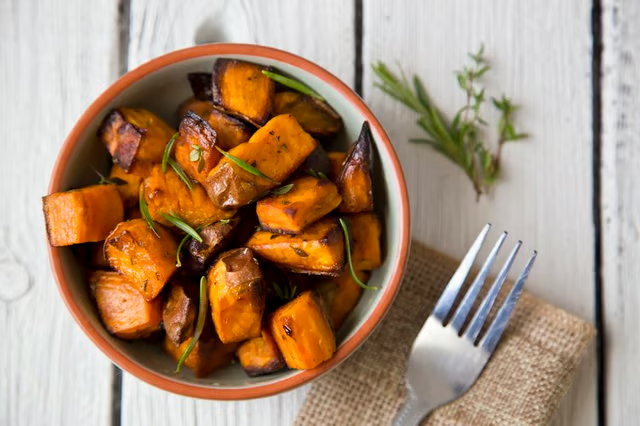
The secret is out: Sweet potatoes are no longer just for Thanksgiving. Though their name may imply "sugar-laden starch bomb,” these orange-fleshed members of the morning glory family are actually loaded with antioxidants and nutrients that fight inflammation, boost metabolism, manage blood sugar, and regulate blood pressure.
In fact, the Center for Science in the Public Interest has gone so far as to name sweet potatoes the most nutritious of all vegetables, scoring them higher than spinach, Brussels sprouts, broccoli, and even kale.
So, now that they’ve claimed a seat at the year-round grownup table (minus the marshmallows), what do you need to know about selecting and storing sweet potatoes, and maybe more importantly, how do you know when they’re past their prime?
How to select sweet potatoes
“I prefer to buy sweet potatoes directly from a farmer by the bushel and before they’ve been washed,” says April McGreger, who wrote the Savor the South cookbook Sweet Potatoes. “They are a fraction of the cost and they keep much longer unwashed."
(Got that? Dirty sweet potatoes = good sweet potatoes.)
If a roadside stand or farmers' market is not on your route (or in season), McGreger's go-to tip for the grocery store is to choose sweet potatoes without any soft spots and with well-formed skins. Sweet potatoes with thin skins you can easily rub off will be lacking in sweetness and flavor, says the Mississippi farmer’s daughter.
How to store sweet potatoes
Back in the day, our ancestors had root cellars where they stored potatoes, onions, beets, and other vegetables for the winter. To maximize your sweet potatoes’ modern-day shelf life, your best bet is to store them in a well-ventilated produce basket and a cool, dark spot where the temperature doesn’t dip below 55 degrees, like your basement in the summer or your garage in the winter.
While you may be tempted to toss that 3-pound bag of sweets in the refrigerator, that's the number one sweet potato storage mistake you don’t want to make. Temperatures that are too cold will create hard and woody white spots in the flesh that really damage the flavor and texture.
How to know if your sweet potatoes are spoiled
When stored properly, unwashed sweet potatoes from a farm will keep for months, while washed potatoes purchased from the supermarket will last for just a couple of weeks.
Sweet potatoes generally begin to spoil by developing soft black or brown spots. According to McGreger, if the spots of decay are purely superficial, they can be cut away. As for any developing sprouts, those can be cut off too. Just know that sprouts do pull nutrients from the sweet potato, so you’ll end up with a cooked spud that’s of inferior nutritional value. (Boo.)
Sweet potatoes are spoiled and past the point of no return when they appear shriveled on the outside; are soft, spongy, or discolored on the inside; or when they develop an off smell.
How to eat sweet potatoes before they go bad
How about sweet potato pancakes or sweet potato and ginger soup or sweet potato and black bean enchiladas? Then, there are these 52 ways to love sweet potatoes from the North Carolina Sweet Potato Commission.
Get this: In their own skins, sweet potatoes cook up to only 103 calories a pop. So, the best recipe might be to just buy them and bake them. A 350° oven for about an hour, a drizzle of coconut oil, and a dash of cinnamon are all you need for a silky and sweet vegetable side dish that could rival your favorite dessert. Boom.
That’s a nutrient-packed superfood flavor bomb.