
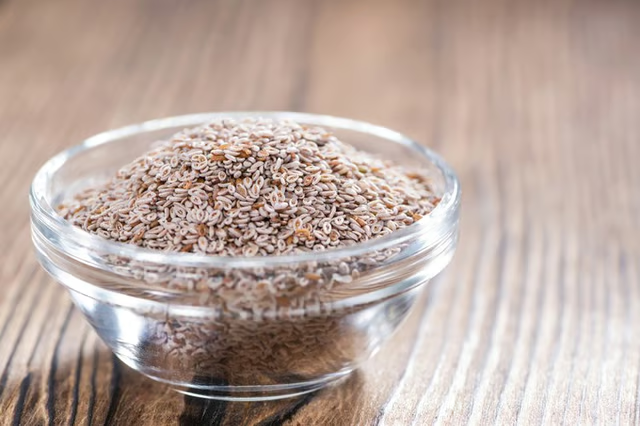
Irregular or painful bowel movements, also called constipation, are a common part of the pregnancy experience. In fact, approximately 50 percent of women develop constipation at some point during pregnancy, according to the American Pregnancy Association. Adding psyllium husk, a form of soluble fiber, to your daily diet might help alleviate stomach discomfort caused by constipation, but pregnant women should discuss the safety of psyllium husk with a doctor before using this fiber supplement.
Overall Safety
When used as directed, psyllium husk supplements usually are safe during pregnancy or lactation. Be sure to drink an 8-ounce glass of water for every 3 to 5 ounces of psyllium husk that you take, as recommended by MedlinePlus.com. Before taking any new medication or supplement while you are pregnant, speak with your doctor.
Contraindications
Treatment with psyllium husk might be inappropriate for pregnant women who have certain medical problems or concerns. Avoid taking psyllium husk if you have intestinal problems, including bowel spasms or obstructions. In addition, women who have difficulty swallowing or a narrowed esophagus shouldn't take psyllium husk because they might be at a higher risk of choking, according to the University of Maryland Medical Center.
Allergic Reaction
A mild to severe allergic reaction might develop following treatment with psyllium husk, though such a reaction occurs infrequently. Mild allergic reaction symptoms include sneezing, hives, wheezing and swollen eye lids or nasal passages. Pregnant women who exhibit signs of a severe allergic reaction, including chest tightness, flushing, facial or body swelling, breathing difficulties or loss of consciousness, require emergency medical attention. Without prompt treatment, a severe allergic reaction could be fatal.
Drug Interactions
Psyllium husk might negatively interact with other medications. Pregnant women who are taking tricyclic antidepressant medications, carbemazepine, digoxin or lithium should be aware that psyllium husk supplements might reduce the effectiveness or absorption of these medications. Psyllium husk also might lower your blood sugar levels, which might lead to hypoglycemia in women with preexisting diabetes or gestational diabetes. Hypoglycemia might cause sweating, headache, hunger, dizziness, blurred vision, irritability or tremors. If you develop hypoglycemia symptoms while pregnant, contact your physician.
Mild Side Effects
Although psyllium husk usually is well-tolerated, mild side effects can occur during treatment. The most common side effects include bloating and excess gas, which might be accompanied by abdominal cramping, nausea or stomach pain. You need to take each dose of psyllium husk with 8 ounces of fluid. When exposed to fluid, psyllium husk supplements expand rapidly. If you take a dose of this fiber supplement with an insufficient amount of fluid, the psyllium husk capsule might get stuck in your throat or intestinal tract, increasing you risk of choking or developing an intestinal blockage.