
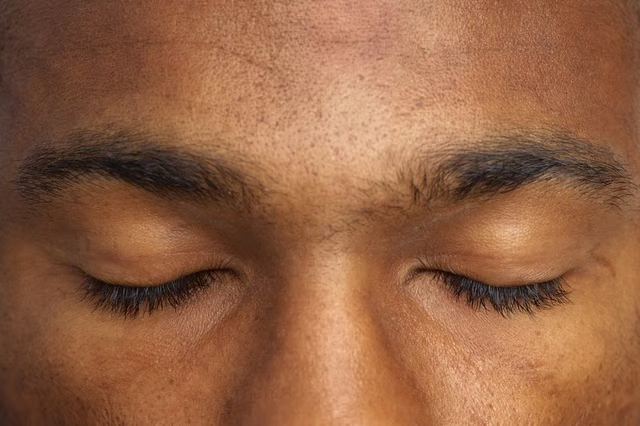
Eyebrow hairs can fall out for a number of reasons, including persistent plucking, overly aggressive application of eyebrow pencils and as part of the normal aging process. A person who is stressed out also may be more prone to losing eyebrow hairs.
A temporary condition known as telogen effluvium (TE) is an abnormal loss of hair that is due to an alteration of the normal hair growth cycle. TE can cause hair to fall out rather quickly. In chronic cases, it can have an effect on eyebrows. TE can be triggered by certain medications, health conditions and stress.
Another hair loss condition called alopecia areata occurs when the immune system randomly damages the hair root and causes hair loss in the eyebrow,eyelashes, scalp and elsewhere.
Causes
According to Hair Diseases.com, many dermatologists believe ongoing stress, low mood and abrupt bursts of anxiety can slowly (over a period of weeks or months) inhibit normal hair growth and result in chronic telogen effluvium.
It’s unclear exactly how stress impacts hair follicles. It’s suspected they are hemmed in and attacked by a network of nerve cells that send opposing signals to the follicles.
Effects
It’s not uncommon for people under stress to massage or otherwise play with their eyebrows. Repeated stroking can result in patchy hair loss. Since eyebrow hairs tend to grow slowly, it can take some time for new hairs to appear.
Hormones
When a person is under an inordinate amount of stress, it may upset the regular balance of hormones in the body. Since hormones play an important role in the production of hair, an overall lack of energy due to excessive strain and worry may interfere with hormone levels.
Rogaine
The treatment for telogen effluvium varies, depending on what triggered the condition. Dermatologists may prescribe minoxidil (Rogaine), a topical solution that stimulates hair growth.
Corticosteroids and Sensitizing Chemicals
Corticosteroid creams are frequently used to treat mild cases of alopecia areata. In more severe cases, corticosteroid solutions may be injected directly into the area where hair has been lost.
Another treatment involves the application of contact sensitizing chemicals to the skin. They work by prompting an allergic response that can encourage hair growth.
Anthralin
Anthralin is a synthetic tarlike substance that is sometimes used to treat alopecia areata and promote hair growth. It is applied for up to 1 hour and rinsed off.