
Viruses cause chest and head colds, also known as the common cold. Symptoms include a runny or stuffy nose, sneezing, congestion, itchy or sore throat, minor head or body aches, light fever and fatigue, and watery eyes. The cold virus spreads in air-bound watery droplets, which is why you must avoid standing close to someone who has a cold and is sneezing or even talking. You can also catch a cold by touching a surface infected with the virus such as a sick person's hand, then touching your eyes, nose or mouth. Wash your hands frequently to avoid getting sick.
Get rest and make sure you get enough sleep. According to WebMd, inadequate sleep weakens the immune system and can make you stay sick longer. Our bodies fight infections with fever and we get a better fever response at night when we sleep, reports Diwakar Balachandran, M.D., director of the Sleep Center at the University of Texas M.D. Anderson Cancer Center in Houston. Develop good sleep patterns by going to bed and waking up at the same time every day. If you can, stay home from work or school when sick. Doing so will give you more time to rest as well as minimize the risk of you infecting others.
Avoid taking antibiotics. Because bacteria-- which is treated with antibiotics--do not cause head and chest colds, antibiotics will not help. In addition to being ineffective, antibiotics might give you diarrhea, allergic reactions and increase your chances of getting infected with bacteria that won’t respond to antibiotics. Keep in mind that most over-the-counter cold medications have side effects and that none of them will make the cold go away any sooner.
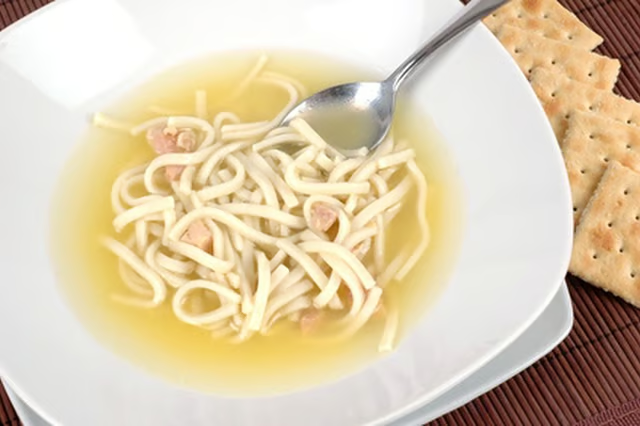
Treat the cold symptoms. While doing so will not quicken your recovery, you will feel much better. Drink lots of fluids such as water, juice, clear broth or warm lemon water. The fluids will rehydrate your after increased mucus production and may help loosen a tight cough and relieve nasal congestion. Keep your room warm and use a humidifier to relieve your breathing and temporarily clear your nose. Try saline nasal spray to ease nasal congestion and gargle warm salt water to soothe a sore throat. Eat chicken soup. Scientists now confirm doing so may relieve your cold symptoms.