
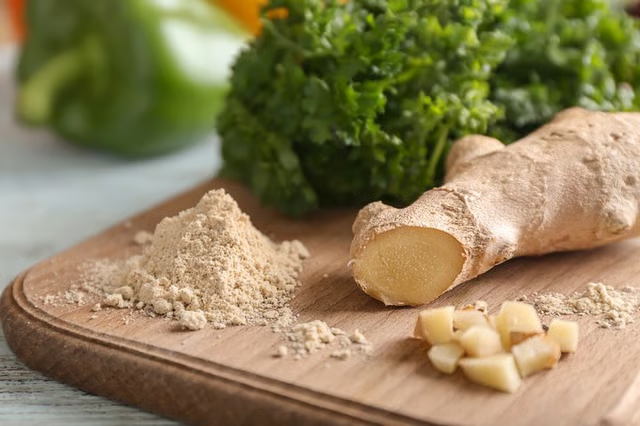
The tropical ginger plant (Zingiber officianale) has a 2,000-year history as a medicinal and culinary herb, but long gone are the days when it was just a motion-sickness remedy or an accompaniment to your California roll. Ginger is now spicing up more products than ever—from cocktails and kombucha to ice cream and Triscuit crackers.
“The global ginger market is heavily influenced by the growing popularity of ginger as an herbal medicine,” says a researcher at market intelligence company TMR. “Since ginger helps in combating various ailments, its demand [is] on the positive side.” Fresh ginger (not pickled or preserved or crystallized) seems to be what the health conscious are really after.
A rhizome with major benefits
The edible part of the ginger plant that we usually use is the rhizome, or root stem, that grows horizontally underneath the dirt, but the milder ginger shoots and leaves are edible too. WebMD reports that ginger can help alleviate nausea, decrease pain from menstrual periods and osteoarthritis, and reduce the symptoms of vertigo. There’s also mounting research for its use in regulating blood pressure, blood sugar, and cholesterol. Talk about a superfood!
Looking to get more of this all-around amazing rhizome into your life? Here are some tips for buying, storing, prepping, and using fresh ginger root at home.
Related LeafTv Articles
Pick it
The most common type of fresh ginger found at the supermarket is mature. It has a tough outer skin but should still feel smooth and emit a fresh, spicy fragrance. Rhizomes with wrinkles and cracks are past their prime. Visit an Asian market to pick a pack of spring ginger. This younger ("baby") type is milder in flavor and aroma and has a pale, thin skin that doesn’t need to be peeled.
Store it
When you bring fresh ginger home from the market, wrap it tightly in plastic wrap and keep it in the refrigerator. It should stay fresh there for two to three weeks.
If you don’t use ginger on the regular, here are two hacks to keep it fresh and readily available:
- Mix up a batch of ginger paste (which you can store in the fridge for up to a month).
- Simply stash your ginger in the freezer (for up to six months) and slice off pieces as needed. Easy.
Peel it
There’s more than one way to peel a rhizome. After you cut off any little nubs or shoots, a vegetable peeler or sharp paring knife works just fine. Another trick is to run a spoon along the ginger (using your thumb to add some force) and scrape off the skin. Now you're peeling ginger like a pro.
Use it
Simultaneously sweet and peppery, ginger has always been a popular ingredient in traditional Asian stir fries and Indian curries, but lately you may have noticed it popping up in everything from smoothies and popcorn to lip gloss and hair treatments.
Here are just a few ways to add the many benefits of ginger to your healthy living arsenal:
- Start your day with a ginger shot.
- Brew a cup of ginger tea.
- Add fresh ginger to marinades or salad dressings.
- Make a quick chicken pho (or any of these 101 ginger recipes).
- Bake gingerbread cookies.
- Soak in a ginger bath.
- Whip up a ginger facial scrub or mask.
There's a reason ginger has been prized for centuries. Aren't you feeling better already?