
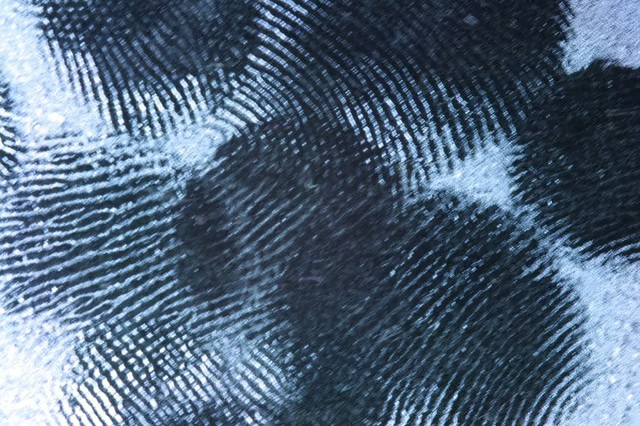


Ink, particularly a dye-based ink as is often used to take professional fingerprints, can be very difficult to remove from skin and clothing. Because the fingerprints need to be permanent on the card they are placed on, the ink cannot be water-based, making stains more difficult to remove. Permanent dye-based ink stains can be removed, but it's important to not try and wash and dry them (on clothing) before attempting to get the stain out. Once the stain is set, you may not be able to remove it. Ink stains on hands will come off eventually, but you can speed the process with several tips.
Allow your fingers' natural oils to work and gradually rub off the ink. This is the method that will do the least amount of damage to your hands, but it will also take up to a week.
Purchase a citrus-based hand degreaser. These can usually be found in the automotive section of a store. Use this cleaner on your hands several times and most of the ink will come off. Repeat as often as necessary. You may want to do this over a couple of days so as not to damage your hands.
Use the juice from a lemon (as long as you don't have any cuts or abrasions on your hands) and a pumice stone to rub the ink off your fingers. The acid will break up the ink while the pumice stone will help scrub it off. This is also an abrasive method that you may want to try over a day or two. Rubbing alcohol will remove the ink after several applications.
Spray a non-aerosol hairspray directly on a fingerprint ink stain on fabric. Blot at the stain with a clean towel. The stain should come out quickly. Wash and dry as usual. If the stain didn't come all the way out before you tried to wash it, check it before drying so as not to set the stain. Repeat the hairspray treatment before washing again.
Bleach a white or colorfast piece of clothing if ink will not come out fully. Be sure that the fabric is safe for bleach or you will damage the garment.