
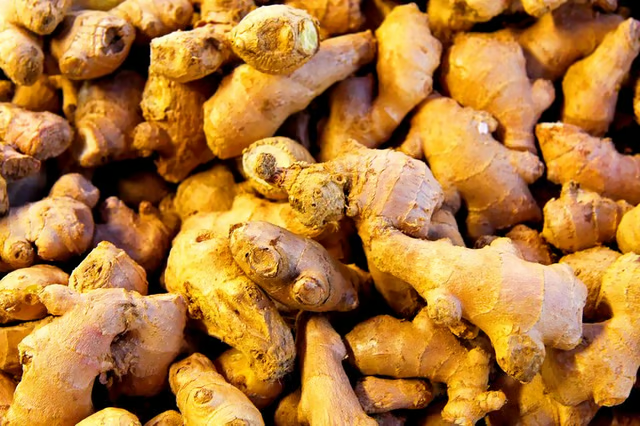


Ginger root made from the root, or rhizome of the ginger plant, has long been used to treat conditions such as stomach upset, arthritis and the common cold in Asian, Indian and Arabic cultures. But ginger root, like many herbal substances, can also affect the absorption or effectiveness of a number of other medications. Do not take ginger root without your medical practitioner’s approval if you take prescription medications.
Blood Thinners
Ginger root, like many other herbs, can act as a blood thinner or anticoagulant, reducing the blood’s ability to clot. If you take prescription anticoagulant medications such as warfarin, sold as Coumadin, heparin or over-the-counter blood thinning medications such as aspirin or ibuprofen, do not take ginger root without your doctor’s approval. Signs of excessive bleeding include spontaneous bruising, blood in the stool, vomiting blood or bleeding that’s difficult to stop if you injure yourself. Tell your doctor if you take ginger if you’re planning on having surgery; he may ask you to stop taking ginger several weeks before surgery to prevent excessive bleeding.
Antidiabetic Medications
Ginger root may decrease blood glucose levels. If you take medications to lower your blood sugar because you have diabetes, ginger root could cause blood sugars to drop abnormally low, a condition known as hypoglycemia. Symptoms of hypoglycemia include shakiness, sweating, hunger, difficulty thinking clearly, dizziness, difficulty talking or loss of consciousness. People on antidiabetic medications such as insulin, metformin, glyburide and rosiglitazone should not take ginger root unless their doctor approves.
Blood Pressure Medications
Classes of medications known as calcium channel blockers are used to lower blood pressure. Drugs in this class include verapamil, diltiazem, nifedipine and amlodipine, among others. Ginger root can also lower blood pressure and might increase the effects of calcium channel blockers, causing low blood pressure or irregular heartbeat. Dizziness, weakness and passing out could occur with low blood pressure. Ask your doctor before taking ginger with these medications.
Herbal Interactions
When given with other herbs that increase anticoagulant effects, ginger is more likely to cause excessive bleeding or bruising. Commonly used herbs with this effect include garlic, ginkgo biloba, Panax ginseng, red clover and turmeric.