


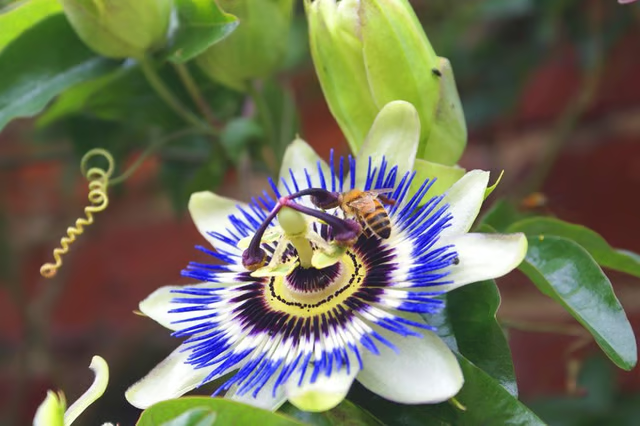
Passionflower is an herb used as an alternative remedy to treat anxiety and sleep disorders, such as insomnia and generalized anxiety disorder. It is also used to calm nausea and digestive upset due to anxiety and to suppress symptoms from narcotic drug withdrawal. Teas, tinctures and extracts are made using passionflower's stems, leaves and flowers. Use only professionally prepared supplements containing Passiflora incarnate; Passiflora caerulea is poisonous. Consult your health care provider before taking passionflower to discuss its proper use and potential side effects.
Side Effects
Passionflower supplements can cause side effects in some people. Due to its sedative effect, passionflower can cause dizziness, drowsiness and mild confusion. Never take passionflower if you must operate machinery or drive. More serious side effects include irregular heartbeat, loss of coordination and liver damage. If you notice any signs of liver problems, including yellowing of your skin and eyes or pain on your upper right abdomen, notify your doctor immediately. Take passionflower only under your doctor's supervision and for no longer than two months.
Drug Interactions
Never take a passionflower supplement in conjunction with other sleep aids or anti-anxiety medications, prescription or over-the-counter, because it can intensify the sedative effects of these medications. The University of Maryland Medical Center states passionflower can increase the time it takes for your blood to form a clot, so never combine it with blood-thinning medications, such as aspirin, warfarin or clopidogrel. According to MedlinePlus, passionflower may lower your blood pressure, so never it take along with blood pressure medication, such as hydrochlorothiazide, furosemide, captopril or diltiazem.
Precautions
Passionflower has not been scientifically proven to be effective for treating any medical condition. However, MedlinePlus states it is possibly effective for anxiety disorders and withdrawal from narcotic drugs, but further clinical study is needed. Passionflower has not been proven safe for children. Phyllis A. Balch, CNC, author of "Prescription for Herbal Healing," warns passionflower may stimulate uterine contractions and should not be taken if you are pregnant, trying to conceive or nursing. Take passionflower in low doses and only as prescribed by your physician.
Warnings
Use herbal remedies containing passionflower prepared by a professional because one variety, Passiflora caerulea, contains cyanide and is toxic. It's possible for passionflower to cause an allergic reaction. Contact your doctor immediately if you experience itching or hives; call 911 if you experience life-threatening symptoms, such as shortness of breath, difficulty breathing or swelling of the mouth, lips or throat. MedlinePlus states passionflower may affect your central nervous system, or your brain and spinal cord, intensifying the effects of anesthesia, so stop taking it at least two weeks prior to any surgery you have scheduled. Take passionflower only under the direct care of your health care provider.