


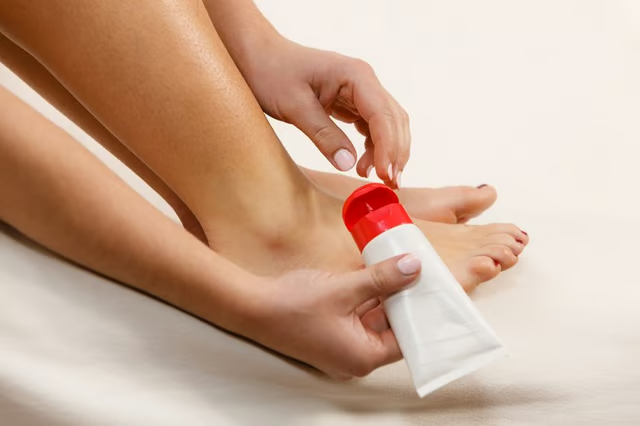
Steroid creams, also known as topical corticosteroids, are one of the most useful and oldest treatments for dermatological conditions. Although a variety of topical steroid are available, they differ in formulation and potency, explains the American Academy of Family Physicians. Steroid creams are effective in the treatment of psoriasis, eczema, atopic dermatitis and vitiligo, a skin pigmentation condition; however, they can cause serious side effects.
Skin Atrophy
The most frequent side effect of steroid creams is skin atrophy. Anyone can experience skin atrophy from steroid creams, but people with thinner skin, patients who use higher potency creams and elderly people are at increased risk. In addition, the backs of the hands and the face are particularly susceptible, explains the American Academy of Family Physicians. Although resolution of skin atrophy often occurs after discontinuing use of steroid creams, it can take months.
Rosacea
Steroid-induced rosacea can occur when facial rashes are treated with steroid creams of low potency. Rosacea is a common skin disorder primarily affecting facial skin. Symptoms include redness on the nose, cheeks, chin and forehead, says Cleveland Clinic. In addition, if left untreated, rosacea can produce pus-filled pimples and red solid bumps. It can also cause the nose to appear swollen and bulbous, a condition referred to as rhinophyma. Small blood vessels become more noticeable on the skin of those affected with rosacea.
Contact Dermatitis
Topical steroids can induce contact dermatitis in certain patients, but it can also result from preservatives or other components of the cream, such as lanolin. Non-fluorinated steroids such as hydrocortisone and budesonide are more apt to cause contact dermatitis. Contact dermatitis refers to skin inflammation caused by direct skin contact with allergy-causing substances or other irritants. A history of allergies increases the risk of contact dermatitis, states University of Maryland Medical Center.
Cushing's Syndrome
Systemic absorption of steroid creams can cause Cushing's syndrome, says Mass.gov, the official website of the Massachusetts Department of Health and Human Services. Cushing's syndrome refers to a condition where the body is exposed to elevated levels of a hormone called cortisol for long periods of time, states Mayo Clinic. In addition, excessive levels of cortisol can cause a fatty hump to appear between the shoulders, purple or pink stretch marks on the skin and a rounded face. Cushing's syndrome can also cause bone loss, high blood pressure and, occasionally, diabetes.