


Male athletes are most likely to get this ringworm-related fungal infection, but anyone can develop jock itch — especially if their activities result in a frequently sweaty groin region. Symptoms of jock itch include itching and stinging in the groin area, redness, a raised rash, flaking, peeling or cracked skin. Topical application of tea tree oil may reduce jock itch and help prevent recurrence of the infection, but clinical tests confirming the oil’s benefits are lacking. If symptoms persist, see your doctor to rule out an underlying disorder.
Tea Tree Oil
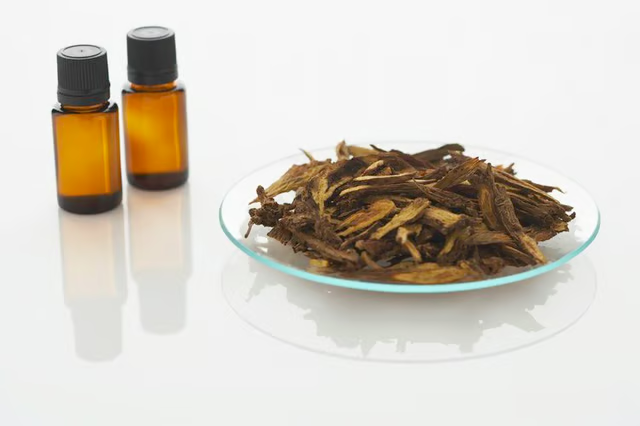
Growers harvest the leaves and branches of the tea tree, or Melaleuca alternifolia, for use in the distilled production of tea tree oil. The oil contains terpinenes, which may have antifungal, antibacterial and antimycotic properties, meaning the oil might have the ability to destroy fungi, according to the “PDR for Herbal Medicines.”
Potential Benefits
Tea tree oil absorbs into the skin quickly, reports the “Gale Encyclopedia of Alternative Medicines,” and blends easily with body oils to treat fungal skin conditions, including jock itch. The “Gale Encyclopedia” considers the oil to be an “excellent antifungal agent.”
How to Use
Tea tree oil is available as an ingredient in over-the-counter antifungal ointments, or you may blend 18 drops of tea tree oil with 1/8 cup of almond oil, suggests the “Gale Encyclopedia.” Store the prepared oil in a dark bottle and shake well before each use. Apply the oil to just-washed skin as needed to relieve itching and burning. For added benefit, add a few drops of full-strength tea tree oil to your bathwater or to your laundry detergent.
Considerations
Tea tree oil is probably safe for most people when diluted with carrier oil and used topically as recommended, but there are no tests confirming its safety for young children, pregnant women or breastfeeding mothers. Because the Food and Drug Administration does not oversee the production of herbal remedies, there is no guarantee that the tea tree oil product you purchase will be effective, pure or of high quality. Do not take tea tree oil internally.