
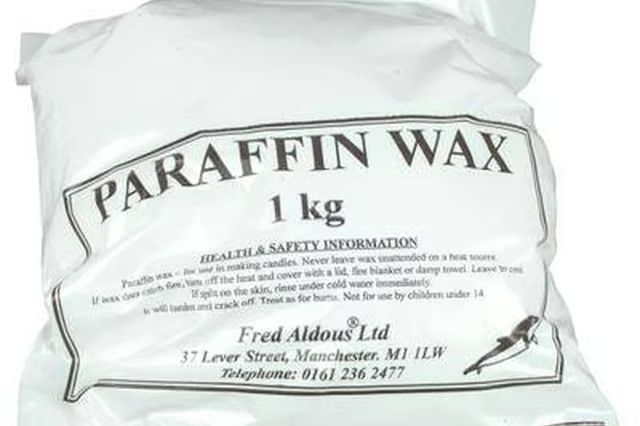
The Elements of Paraffin Wax
Paraffin wax is composed of a key element called hydrocarbons, a compound that contains solely carbon and hydrogen. Based on the length, each hydrocarbon will behave differently, which in turn affects its boiling point and suitability for melting. The origination of paraffin wax is from crude oil, also laden with hydrocarbons of varying lengths.
How Paraffin Comes to Be
Paraffin, though classified as a petroleum wax, occurs organically as an alkane hydrocarbon (made up of only hydrogen and carbon). Like most waxes, paraffin is a derivative of beeswax, created, naturally, by bees. Plants are also capable of producing paraffin because of the protective layer that develops over the leaves and stems of a plant to shield itself from different weather conditions. Over time, the coating on these dead plants were buried by the ever-changing land mass of the Earth. Subsequently, this transformed into crude oil, the source where paraffin issues from.
The Multitudinous Uses of Paraffin
Aside from the obvious paraffin wax candle, the substance is also used for a variety of other practical functions. In drywalling, paraffin can be mixed with the drywall so that the concoction can melt during the day, while at the same time absorbing heat. Conversely, a drywall mixture that contains paraffin will harden at night, consequently releasing heat.
Because wax expands when it melts, it is an advantageous tool for thermostat systems of a small or large scale level. The most practical paraffin/thermostat pairing is the one present in most vehicles. In addition, more viscous paraffin is liable to be wielded for industrial use.
In liquid form, paraffin wax is extremely versatile, frequently used in medicine, culinary arts, fuel, and paint. It can also be applied to more decadent, cosmetic uses as in a paraffin wax pedicure or vaseline for the amelioration of skin.
Regardless of what state paraffin is in, it is employed in more everyday products than most are aware of and is highly crucial to the manufacture of such products as toiletries, chewing gum, and, as previously noted, thermostats.